
SEG - Sustainable Eel Group
Tun provides certification services according to the SEG Standard:
A Best Practice Code of Conduct for a Responsible Eel Sector.
The SEG Standard allows fisheries, aquaculture, traders, wholesalers, processors and retailers to show that they act responsibly when handling eel.
For enquires and for requesting an application package contact seg@tun.is
See guidance on the certification procedure below in the Getting certified section below and on the SEG website
Getting certified
Application process
Request an application package by contacting seg@tun.is
Tun will provide an application package which will include a self assessment document.
Run a self assessment exercise to see if you are ready for certification.
Submit the application package to Tun.
Tun will communicate a proposal on audit scope, time and cost.
Contract is signed by both parties.
Certification process
An auditor visits the site and audits the operation against the SEG Standard.
The auditor writes an assessment report where it will be discussed if any requirements are not met or improvements are needed. The operation can respond with a plan of improvement if needed.
The operation is deemed certified, conditionally certified or non-compliant.
If certified, the fisheries/trader receives a certificate and is added to the SEG certificate register.
SEG labels
SEG has published a document describing the use of SEG labels as well as claims for certified product.
The SEG Standard
Achieving the SEG Standard means that the business is:
Acting responsibly, according to a code of conduct for best practice in the commercial eel sector
Trading in certified responsibly sourced European eel
Playing its part in making a positive contribution to the European eel population
More information on SEG can be found at the SEG website.
SEG certified organisations
The link above will lead to a Register of organisations which have achieved the Sustainable Eel Group (SEG) Standard
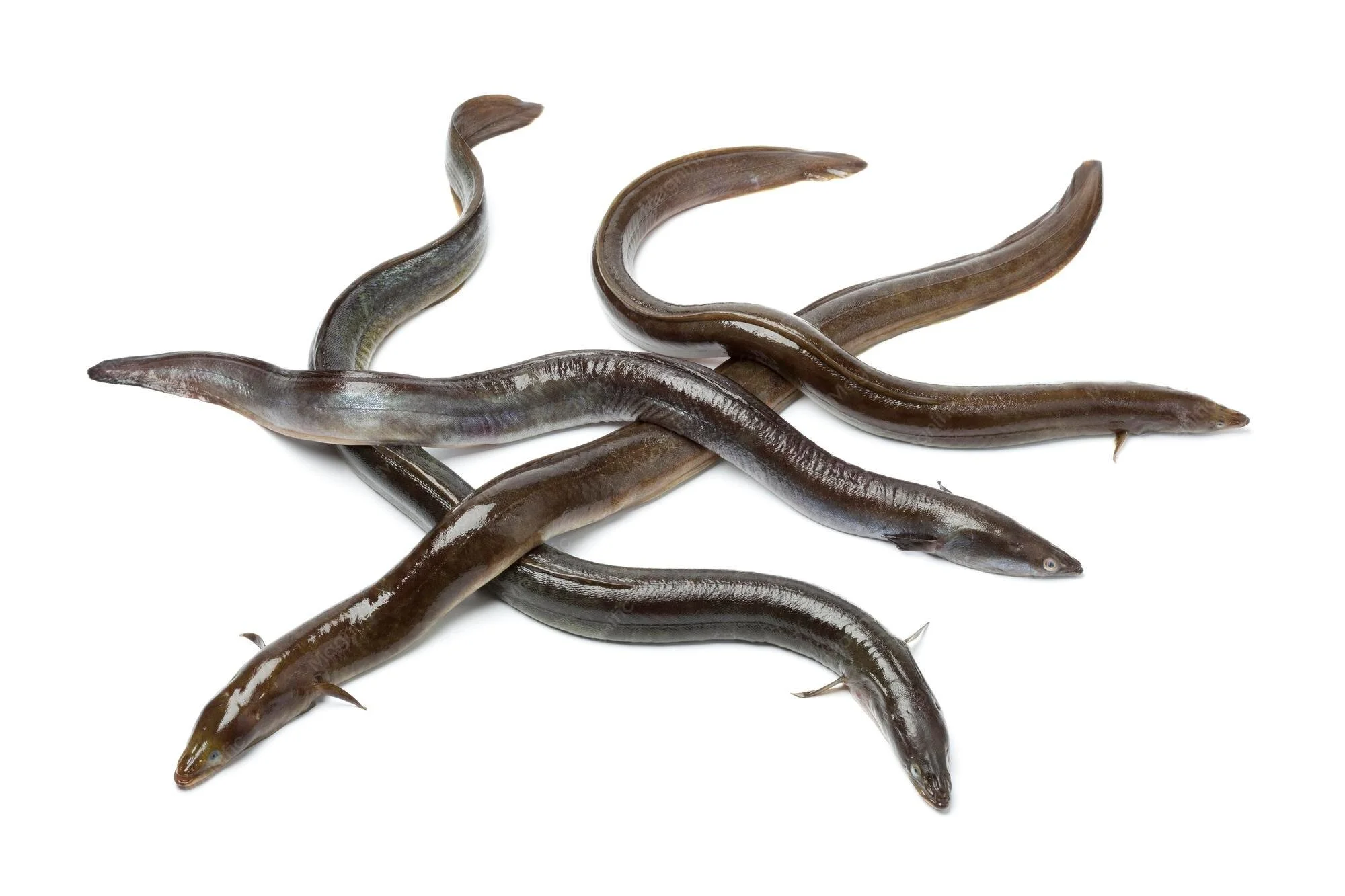
The European eel
The European eel undergoes five stages of development in their lifecycle: larva, glass eel, elver, yellow eel, and silver eel. The species is classified by the IUCN as critically endangered and has reduced in number by around 90% since the 1970s.
Size: Individuals usually reach 60–80cm in length, and individuals are known to have reached 1.5m.
Distribution: This species is widely distributed within European freshwaters and can be found in a wide variety of freshwater and estuarine habitats.
Behaviour: European eels spend most of their adult lives in freshwater rivers, streams, and estuaries before returning to the open ocean in the Sargasso Sea, 5000km across the Atlantic Ocean, near Bermuda to spawn and lay eggs. As young larvae, baby eels drift drift on the ocean currents from the Sargasso Sea back to Europe and North Africa for around 2 years.
Importance: Eels are a key indicator species – their presence and quantity are an indicator of good quality, well connected aquatic habitats. They once formed over 50% of the biomass of freshwater fishes in Europe’s rivers and lakes. This is now 5 – 10%. Eels form an important part of aquatic ecosystems and are sources of food for important conservation species such as Otters, Bitterns and Egrets. They are socially, culturally and economically important, having provided food for humans for thousands of years.
Status: Critically Endangered. Top threats include: climate change, diseases and parasites, habitat loss, pollutants, and predations.